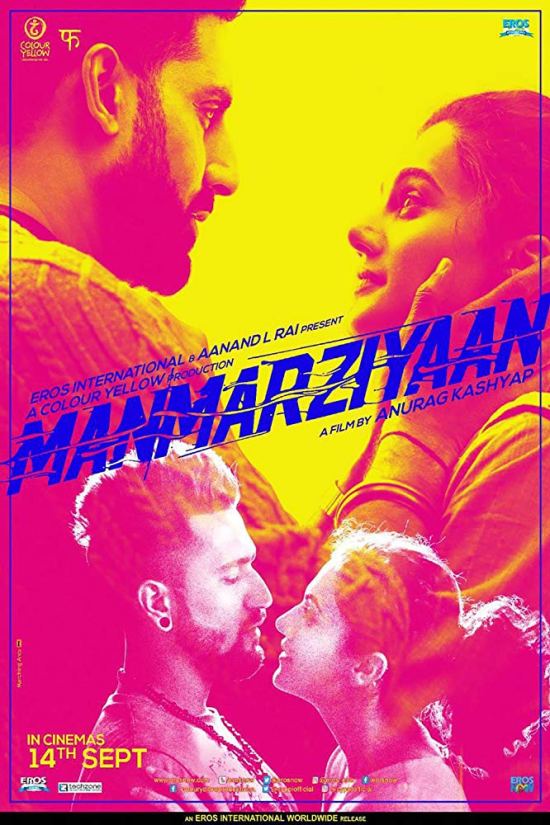
From “Black Friday” to “Raman Raghav 2.0,” the majority of Anurag Kashyap films never attempt to conceal their fondness of exploring the dark side of the human psyche. They revel in interrogating the morally grey nature of their characters to suggest that even the seemingly most unhinged people may have reasons, valid or invalid, to […]
Author: Dhruv Krishna Goyal
We Need to Talk About Lynne
This is an academic paper on the analysis of Scottish filmmaker Lynne Ramsay’s career, persona, and films (with a significant focus on her recent feature “You Were Never Really Here”), and how all these factors define her personality as an indie or independent filmmaker. Within the context of American cinema, writer Michael Z. Newman proposes […]
Lust Stories (2018)
The word lust invokes a particular kind of image of sexual desire – one that is strong and often comes with negative associations attached to it because of this very strength it represents. When compared to the holy representation that Indian mainstream films give to love, especially, this word feels and sounds emptier, and dirtier. […]
The Complex Nature of Authority
From the moment we enter this world to the time when we evaporate into the void, we are always either under some form of authoritarian presence or are the authority itself. This consistent authoritarian presence is not strictly limited to one that is political, which, in the current state of democracy, tends to extract criticisms. […]
The Advent of Surrealism
This is an academic paper on the analysis of Antonin Artaud’s essay on “Cinema and Reality.” The concept of medium specificity of cinema has been a source of discussion among filmmakers, film theorists, and cinephiles since the very conception of cinema itself. From film theorist, Tom Gunning’s thesis about the integral role of early silent […]
Pather Panchali (1955)
This is an academic paper on the historical significance and scene analysis of Satyajit Ray’s first feature in his widely influential “Apu Trilogy.” Major spoilers ahead. Before the emergence of cinema in India, the Parsee Theatre System established in the 1830s in Bombay (now, Mumbai), practiced the song-dance-action routine now emblematic of Indian commercial cinema. […]
Children of Men (2006)
This is an academic paper on the thematic, historical, and scene analysis of Alfonso Cuaron’s modern sci-fi masterpiece. Major spoilers ahead. French philosopher, Paul Virilio, emphasizes that the world’s collapse is going to come about due to the exponential growth of technology. Virilio’s philosophy aligns perfectly with Hollywood science-fiction dystopian classics like The Day the […]
Bhavesh Joshi Superhero (2018)
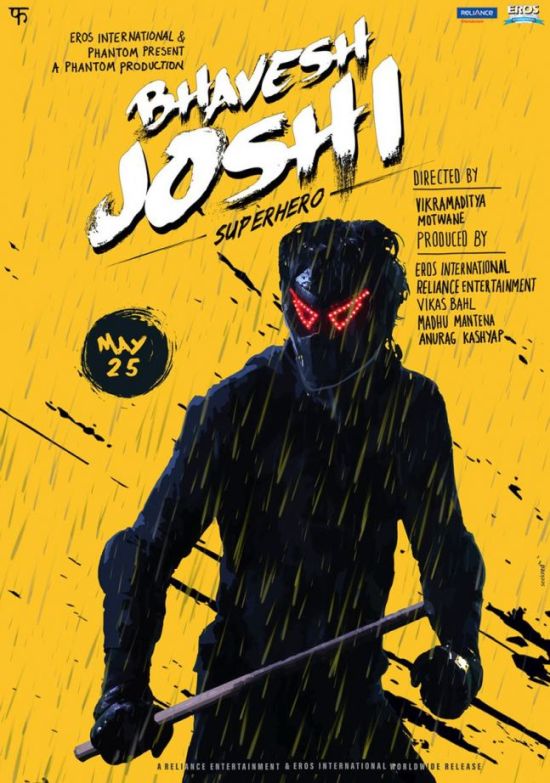
“Bhavesh Joshi Superhero” begins with brief images of the titular character fighting some goons before he is (quite easily) summoned by them. The film then proceeds to show its title, BHAVESH JOSHI, in a big bold red font. Peculiarly, the “Superhero” is missing. So, even before a line of dialogue is spoken, Vikramaditya Motwane’s film […]
Veere Di Wedding (2018)
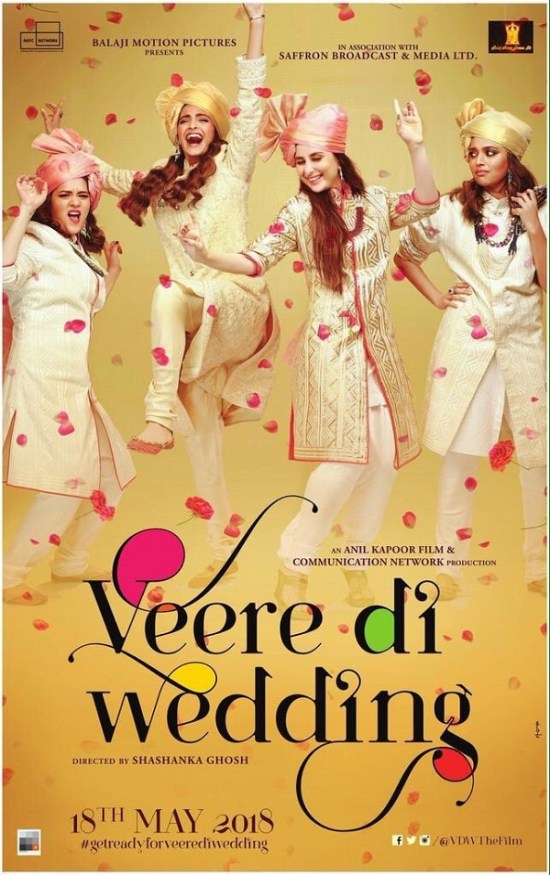
One of the very few engaging scenes in Shashanka Ghosh’s “Veere Di Wedding” takes place during the beginning of the film’s second half in which the four friends (the titular veeres) confront each other about the vanity of their problems. This sequence is the only time in this otherwise extremely fake film that the friends […]
Performing for the World
It comes as no surprise to me that the aspect of films that even the most restless film viewer finds most comfortable to comment on is an actor’s performance. Why would it not be? Performances are so ingrained in our day-to-day lives that commenting on them feels natural to us. We know when an actor […]